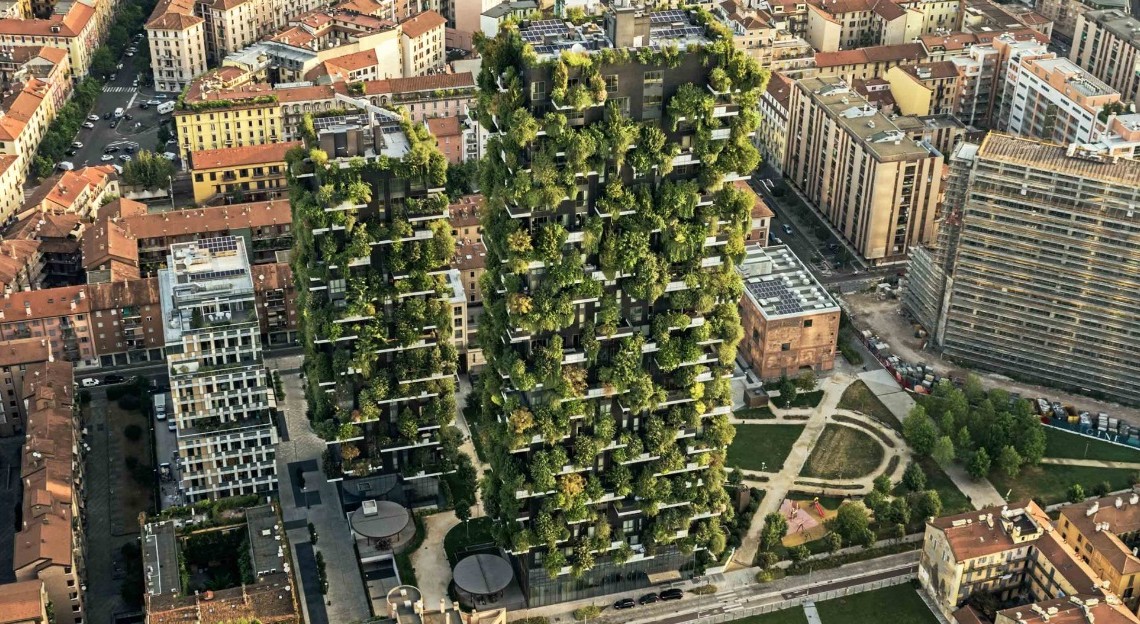
The Vertical Forest in Milan is a groundbreaking example of architectural biodiversity, emphasizing not only human life but also the relationship between people and other living species. Designed by Stefano Boeri Architetti and built in the Porta Nuova district between 2007 and 2014, the project represents a bold vision of sustainable urban living.
The development features two residential towers, standing 80 and 112 meters tall, hosting a remarkable 800 trees, 5,000 shrubs, and 15,000 perennial plants. This creates a vegetation volume equivalent to 30,000 square meters, concentrated on just 3,000 square meters of urban footprint. In total, 94 plant species have been carefully selected, including 59 that attract birds, 60 trees and shrubs, and 33 evergreens. Plant placement is strategic, based on formal and aesthetic considerations such as ornamental value, flowering seasons, allergenic potential, growth patterns, and ease of maintenance. Evergreens thrive on the southwest façades, while deciduous species dominate the northeast.
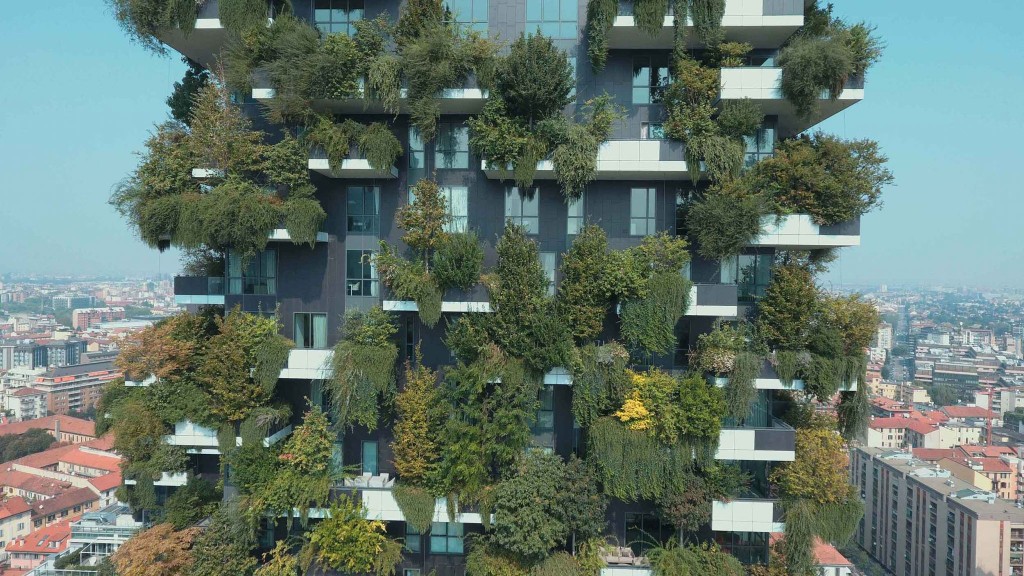
The buildings’ façades are covered in greenery, forming a natural “shield” that filters sunlight rather than reflecting or amplifying it. This design creates a comfortable microclimate inside while benefiting the surrounding environment. The vertical vegetation also regulates humidity, produces oxygen, and absorbs carbon dioxide and fine particulate matter, offering numerous ecological advantages.
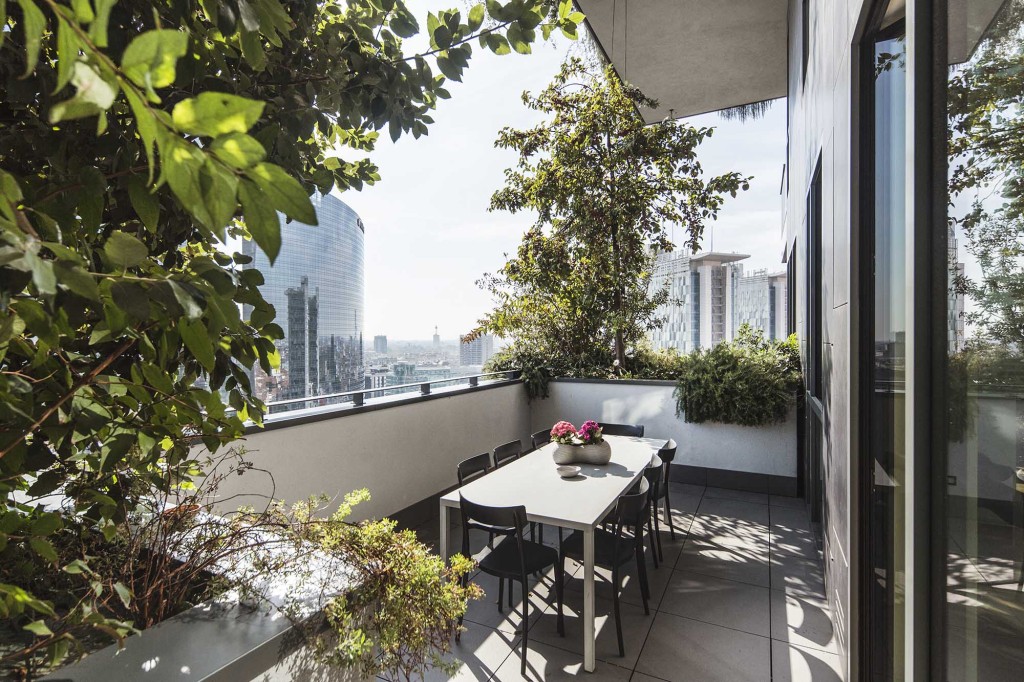
Architecturally, the Vertical Forest features large balconies and stepped terraces designed to accommodate trees and plants of substantial size. The façades are clad in porcelain stoneware in a rich brown hue, evoking the texture of tree bark.
But the Vertical Forest is more than just an architectural marvell, it’s a living ecosystem. Partly natural, partly human-managed, it evolves over time alongside the life it hosts. One of its most unique features is the team of “flying gardeners,” specialists who rappel from the rooftops once a year to prune the plants, inspect their health, and replace them when necessary.
Irrigation is equally sophisticated. Plant needs are monitored via a digitally controlled system, while most of the water comes from filtered wastewater from the towers themselves.
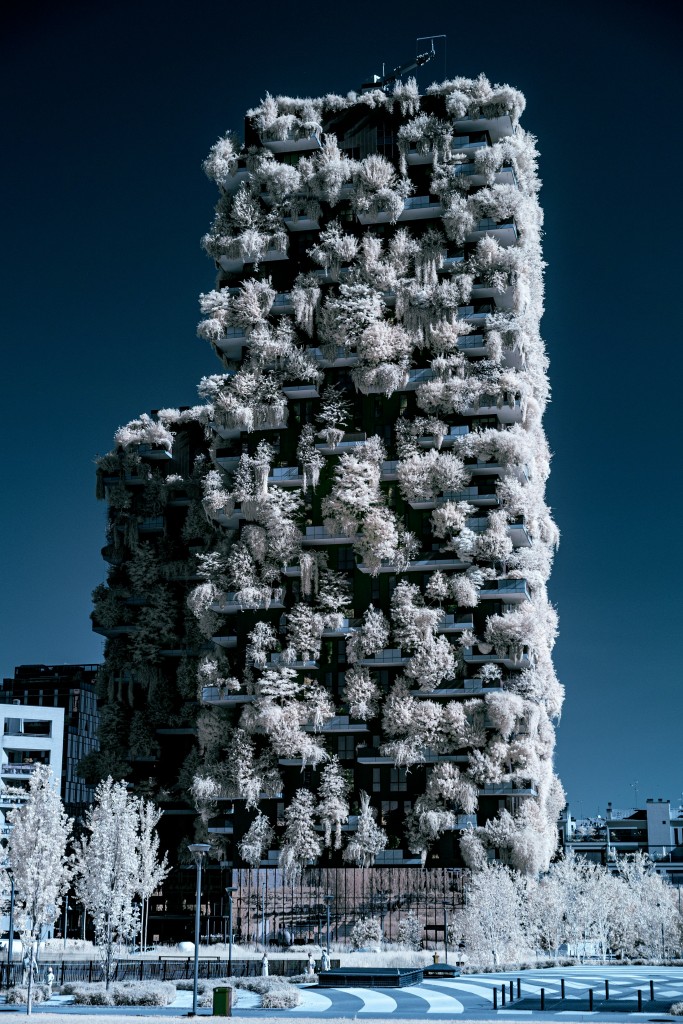
The Vertical Forest is a model for urban ecological design, curbing sprawl while creating green spaces in densely built environments. It represents an innovative architectural approach that prioritizes sustainability and the harmonious integration of nature into the city.
This trend of urban gardens and green terraces is gaining momentum in Bucharest as well, with developers increasingly incorporating greenery into residential and office projects. Notable examples include U-Center, The Bridge, and Business Garden Bucharest, where landscaped elements and green spaces provide alternatives to traditional work areas and spaces for relaxation.
If you would like more information about the green office spaces for rent in Bucharest, please contact the ESOP team by filling this brief form or by phone (+4) 0723.26.61.97 or (+4) 021.528.04.40. We’ll promptly answer your inquiry!

 by Mirela Raicu